Undergraduate Dentistry Clinical Skills Lab
Standard Precautions in
Oral & Maxillofacial Surgery
WHO Surgical Hand Scrub, Gowning, and Sterile Gloving
Dr. Kezia Rachellea Mustakim, DDS, MSD, PhD
Department of Oral and Maxillofacial Surgery

Understand the Rationale
Comprehend the importance of surgical asepsis in preventing Surgical Site Infections (SSIs) in complex dental practice.
Master Hand Scrubbing
Correctly perform the WHO Surgical Hand Scrub using standard protocols, appropriate antimicrobial agents, and exact duration.
Perform Surgical Gowning
Demonstrate the precise aseptic technique for donning a sterile surgical gown independently or with an assistant.
Apply Sterile Gloves
Execute the closed-gloving technique seamlessly to maintain an unbroken chain of sterility.

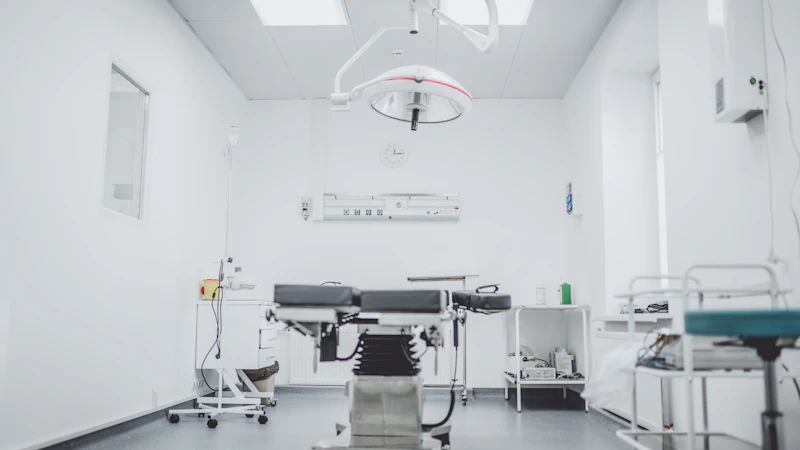
"If in doubt regarding the sterility of an item or area, consider it unsterile."
While the oral cavity inherently contains diverse microflora, the introduction of exogenous pathogens during maxillofacial procedures (e.g., impactions, implants, trauma) can precipitate devastating complications such as deep-space fascial infections or osteomyelitis.
Primary Objectives of Asepsis:
- Protect the patient from the surgical team's endogenous flora.
- Protect the surgical team from bloodborne pathogens.
- Establish and strictly delineate a defined sterile operative field.
Critical Principle
Once the scrub sequence begins, hands must universally remain above the level of the elbows to prevent contaminated water from running down toward the clean hands.
1. Fomite Removal
Remove all rings, watches, and bracelets. These act as reservoirs for microorganisms and inhibit adequate mechanical scrubbing.
2. Nail Inspection
Fingernails must be short (not visible over fingertips). Artificial nails and chipped polish are strictly prohibited.
3. Protective Attire
Don surgical cap/bouffant, surgical mask, and protective eyewear securely before initiating the hand wash.
4. Sink Operation
Adjust water temperature and flow using knee, foot, or infrared sensors. Dispense antimicrobial agent.

Concept of Sterility Zones
Gowns are sterile only from the anterior chest to the level of the sterile field, and from 2 inches above the elbow to the cuff.
The back of the gown is NEVER considered sterile.
Aseptic Drying
Enter the OR backing through doors, hands elevated. Lift the sterile towel vertically. Dry one hand/arm using one half of the towel. Invert the towel carefully and dry the contralateral arm. Discard towel safely.
Lifting and Unfolding
Grasp the sterile gown firmly at the inner neckline. Step back into a clear area to allow the gown to unfold freely via gravity. Do not shake the gown.
Arm Insertion (Donning)
Slip both arms into the armholes simultaneously. Advance arms to the proximal edge of the cuffs. Keep hands completely inside the cuffs to prepare for the closed-gloving technique. The circulating nurse secures the back ties.
Glove Retrieval
With hands retained completely inside the gown cuffs, utilize the non-dominant hand (acting through the fabric) to pick up the opposite sterile glove.
Anatomical Alignment
Place the glove on the volar aspect (palm) of the dominant hand. Ensure "Thumb to Thumb, Fingers facing the Elbow" orientation.
Cuff Inversion
Grasp the glove's cuff edge through the gown fabric and stretch it completely over the knitted cuff of the gown, encapsulating the hand.
Extension and Refinement
Push fingers distally into the glove stalls. Repeat the entire process for the contralateral hand. Adjust finger fit only when both gloves are secured.

Operational Directives
- Keep hands continually in view, situated above the waistline and below the shoulder level.
- Do not cross arms or fold hands into axillary regions (high moisture and friction compromise sterility).
- When navigating past another scrubbed individual, pass strictly back-to-back or face-to-face.
- Never turn your back toward the sterile instrument table or the operative field.
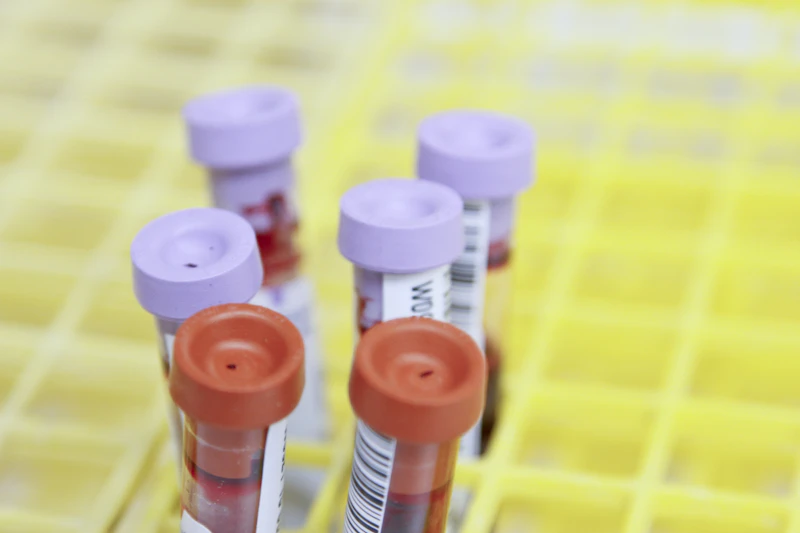
Fig 1: Proper hand positioning awaiting patient prep.
Clinical Skills Laboratory Practicum

Theoretical instruction concludes here. Students will now transition to the clinical simulation area for practical evaluation.